Pirated software feels like a harmless shortcut until it compromises your system security and lands you in trouble. Still, people turn to cracked software.
For students, freelancers, or beginners, paying for a full software subscription can feel overwhelming, so piracy can seem like the easier option.
In 2022, Statista recorded 215 billion visits to piracy sites worldwide, of which 6.2% were related to software alone.
As internet access grows, cracked programs are becoming easier to find, but the risks of using pirated software are serious. This guide breaks down the real dangers of using such programs and practical ways to protect yourself.
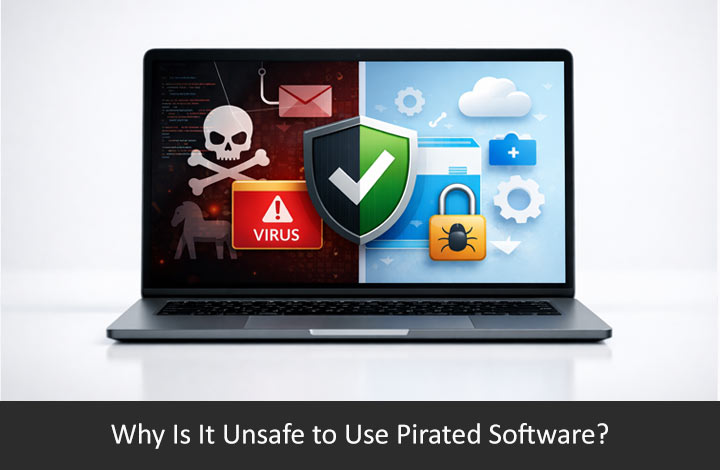
The Risks of Using Pirated Software
Legal aspect
Nobody wants to expose themselves to a lawsuit. Legal troubles can damage your reputation, drain money, and waste your precious time. However, many people ignore the risks when it comes to pirated software.
Using cracked software is illegal. Copyright laws exist to protect developers' rights. If you get caught using or sharing pirated software, you could face lawsuits, criminal charges, or pay hefty fines.
While home users are less likely to face immediate legal action, that does not mean it's safe. The risk increases when pirated software is used in a business or for profit. Groups like BSA (Business Software Alliance) regularly conduct software license audits; if they find unlicensed software, you could face fines (ranging from a few hundred to hundreds of thousands of dollars) or legal action.
In short, using pirated software is just not worth the risk.
Security Threats
Unknown third parties often modify cracked software, which means that you are not just installing the app but also whatever code a random stranger decided to bundle with it. It can include malware, spyware, ransomware, or hidden backdoors that silently steal sensitive data, including crypto wallet details.
In early 2025, CyberArk discovered MassJacker, a clipper malware that steals cryptocurrency by replacing copied wallet addresses. At the time of report, CyberArk found that the attackers controlled over 778,531 unique addresses. However, what's more chilling is that one wallet held $87,000 (600 SOL) from 350+ transactions. While some of this may have been stolen via a MassJacker attack, CyberArk suspects that a significant part of this fund most likely came from other scams.
Besides, pirated software can also be loaded with browser hijacking malware. This type of malware can alter your browser settings, inject ads and pop-ups, or, worse, redirect you to malicious websites that steal passwords or financial details.
No Updates and Upgrades
Another drawback of pirated software is the absence of official updates and upgrades.
Security Vulnerabilities Stay Open
Suppose there is a serious security flaw present in your software. Legitimate users will receive an update to fix it and keep their systems safe. Software developers constantly release updates to close these vulnerabilities, fix bugs, and improve performance.
But what if you are running a cracked version? You won't be able to patch these flaws, since pirated software is cut off from receiving updates.
It means known vulnerabilities remain unpatched, allowing attackers to exploit them and leave your device vulnerable to cyberattacks. This unavailability makes it one of the major risks of using pirated software.
Stability and Compatibility Issue
Besides security risks, using pirated software can often cause system performance and stability issues. Since crackers modify software code to bypass licensing, they may introduce corrupted code that can interfere with normal system operations. It can lead to
- Frequent crashes or freezes, especially during heavy tasks.
- When you update your OS, some features in the cracked software may stop working properly because it can't receive compatibility updates from the original vendor.
- Online cloud sync and plugins might also fail to run, as they often rely on secure authentication and server connections that pirated software lacks.
If you have ever used a cracked Adobe program, you might notice it installs and runs fine first. However, after some time, it fails to connect to Adobe servers, and extensions and plugins stop working, or the app sometimes freezes during launch.
In short, using pirated software can add to your frustrations, especially when updates are needed but can't be applied.
You Miss Out On Latest Improvements
With each update or new version, software developers often release new features, improvements, and better compatibility with newer systems. When you decide to skip legitimate software and install a cracked version, you miss out on these improvements right away and end up stuck with an older version of the program.
Although you can download a new cracked version every time a major update is released, it can be frustrating. You need to find the latest cracked build, uninstall the old version, and reinstall. Even then, cracked versions of new releases often arrive late and do not guarantee safety. So while paid users are already enjoying the latest improvements and benefits, you remain left out of that.
Lack of Tech Support
Authorized software includes support options like guides, manuals, online resources, and human assistance for technical issues. While you can still leverage official manuals and online resources from the original vendor's website, that might not be enough when dealing with complex issues.
With pirated software, you lose one main advantage: human assistance, which usually requires a valid license or an authentication id. When bugs, glitches, freezes, or crashes occur, you are left to fix stuff on your own. It can waste your time and leave you with unresolved errors.
Loss To Software Developers
Piracy is not only a legal or security issue; it's an ethical one, and a major concern for software companies. Using cracked software undermines the time and effort developers put into creating the programs and denies them their fair compensation.
Piracy also contributes to revenue loss, affecting not only big companies but also small businesses and independent developers who rely on it to improve their products. As a result, it slows down updates, stops new features from rolling out, and halts innovation. It is one of the reasons why many well-liked programs quietly disappear or become expensive.
Furthermore, every cracked copy used or shared fosters a culture of piracy, which, over time, can make genuine software less reliable and advanced for everyone.
Who is most at risk?
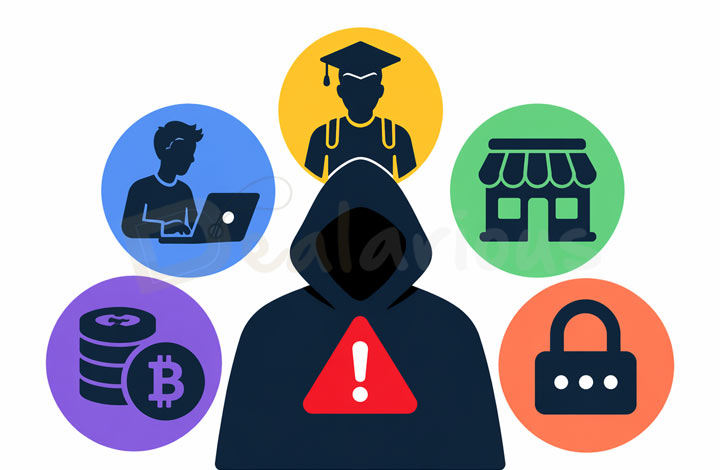
Using cracked software may initially seem like a cost-saving alternative, but the risks outweigh the short-term benefits. Let's look at who is at most risk of using pirated software and why.
Students
Students are most vulnerable to pirated software. They often need expensive academic or creative programs, but don't always have the budget to afford them. It is where the idea of cracked software becomes tempting.
They often overlook the consequences. A tool that looks like a shortcut can quietly turn into a nightmare. A single careless click on a pirated website can compromise their system, and suddenly that free software is no longer free.
Freelancers
Freelancers and beginners are another group at high risk of using pirated software due to financial constraints.
Freelancers often rely on professional tools such as design software, photo editors, and video editors to deliver work for clients. But with inconsistent income, paying for subscriptions can feel overwhelming. For beginners, the need to learn costly industry-standard tools can feel burdensome. That's when piracy starts to look like an affordable way out.
While security threats remain a major concern, another significant risk, especially for freelancers, is reputational and financial damage. If a client asks for proof of licensing or discovers unlicensed tools in use, it can impact credibility. In some cases, you might also face legal penalties or financial compensation claims.
Small Business
Small businesses often use pirated software to reduce operational costs, but fail to realize the hidden risks.
Sneaky malware inside pirated software can compromise company systems and steal sensitive data. Worse, the consequences can go beyond security concerns. If unlicensed software is discovered during audits, the business can face legal charges, heavy fines, and reputational damage.
Crypto Users
Unlike traditional money, cryptocurrency transactions are irreversible. Because of this, attackers target wallets to steal funds. Malware such as MassJacker can hide inside cracked programs. Once installed, hackers can secretly monitor the system, log keystrokes, or replace copied wallet addresses, allowing them to transfer funds out of the wallet within a few seconds. Hence, if you use crypto, it's best to avoid pirated software on your system.
People Using Cracked VPNs or Password Managers
It's somewhat ironic. VPNs and password managers are designed to protect your network security and account credentials. Yet, some users naively install pirated versions of these programs.
Like any pirated software, these programs often carry the risk of hidden malware or sometimes weakened security features. It can lead to credential theft, network attack, session hijacking, and complete exposure of personal or financial information. It ultimately destroys the very purpose of using security software.
How to Protect Yourself?
You don't have to risk your security and privacy for free software; instead, all you need to do is act smart.
Buy and Download Software From Trusted Sources
I get the appeal! Why pay for software when a free copy from an untrusted source is just a click away? But with piracy, the real cost often comes disguised as cyber threats.
That's why downloading and using software from official, trusted sources is essential. Official websites, verified app stores, and authorized sellers provide genuine software, lowering the risk of downloading malicious files. Additionally, with legitimate programs, you receive regular updates, security patches, tech support, and access to online features that pirated copies often lack.
Look for Affordable or Free Alternatives
If pricing is a concern, piracy does not have to be the way out. Instead, look for affordable or free alternatives. Many programs offer a free version or a free trial with limited features, which can be enough for basic tasks. You can also search for discounts or promotional offers to buy legitimate programs at a lower price. Another option is to use cloud-based tools (e.g., Google Workspace for productivity, and Canva for design) without paying a high upfront price.
Use Antivirus
When it comes to system security, it goes without saying that using antivirus software helps defend against digital threats, including risks associated with pirated software. A reliable antivirus can scan your entire system, detect suspicious activities, and block malicious files before they can harm your device. These tools even warn you about unsafe sites or installers that may share pirated or tampered software.
If you are worried about budget, here's some good news: you don't always need a paid antivirus; free antivirus tools can still do a solid job. If you use a Windows device, Windows Defender (AKA Microsoft Defender) already provides reliable protection against many common threats. For an added layer of protection, you can pair it with Malwarebytes Free as a second line of defense.
For a closer look at their capabilities, see our Windows Defender vs Malwarebytes comparison. However, if you are considering advanced protection, you can also check out our list of the best antivirus software.
Educate Yourself and Stay Updated
Most digital threats can be avoided by staying informed and making smart choices. That is why it is important to understand the risks of using pirated software and to stay up to date on common security threats. If you have read this far, congratulations, you have already taken the first step. The next step is to stay cautious and avoid downloading software from untrusted sources.
Tip: The internet is full of hidden threats, where piracy is just the tip of the iceberg. Practicing good digital habits can protect your devices and data in the digital realm.
Use VM or Sandbox Tools To Test Unknown Software
If you are aware of the risks and still choose to try pirated software, you can do so by running the program inside a virtual machine (VM) or a sandboxed environment. These tools create an isolated environment (like a secondary computer within your main system) where you can run pirated programs separately. It can help lower the risk of malware attacks and prevent them from hampering your main OS.
That said, this approach does not make pirated software safe. It only reduces the potential damage. The safest approach is still to use legitimate programs (free or paid), especially from official and trusted sources.
Note: Using a VM or sandbox is not foolproof. Sophisticated malware can bypass security and affect your main system. Running these tools on a low-spec PC can also cause slow performance and reduce productivity.
Let's Wrap Up
One probably wouldn't think of taking something that isn't theirs, but copying software without authorization is exactly that: stealing. It's illegal, and using pirated software only encourages such acts. Beyond legal and ethical concerns, piracy also compromises your cyber safety. Therefore, investing in genuine software is the safer choice.
Licensed programs provide timely updates, offer priority support, and give you access to all features, making them a reliable option in the long run. However, if money is short, you can also go for safer alternatives, such as free tools, coupons, student discounts, or cloud-based options. These can help you get the job done without compromising security. But most importantly, by using genuine software, you support developers, helping them continue to improve and innovate.

She reviews software at Dealarious, mostly recovery and productivity tools, which she tries out herself. Her goal is to keep things simple so readers don’t waste hours figuring out what works. Over the years, she has tested dozens of apps and learned that small details often make the biggest difference.
When she isn’t testing programs, you’ll usually find her hiking in the mountains or enjoying the rain. She believes good tech should quietly make life easier, not more complicated.